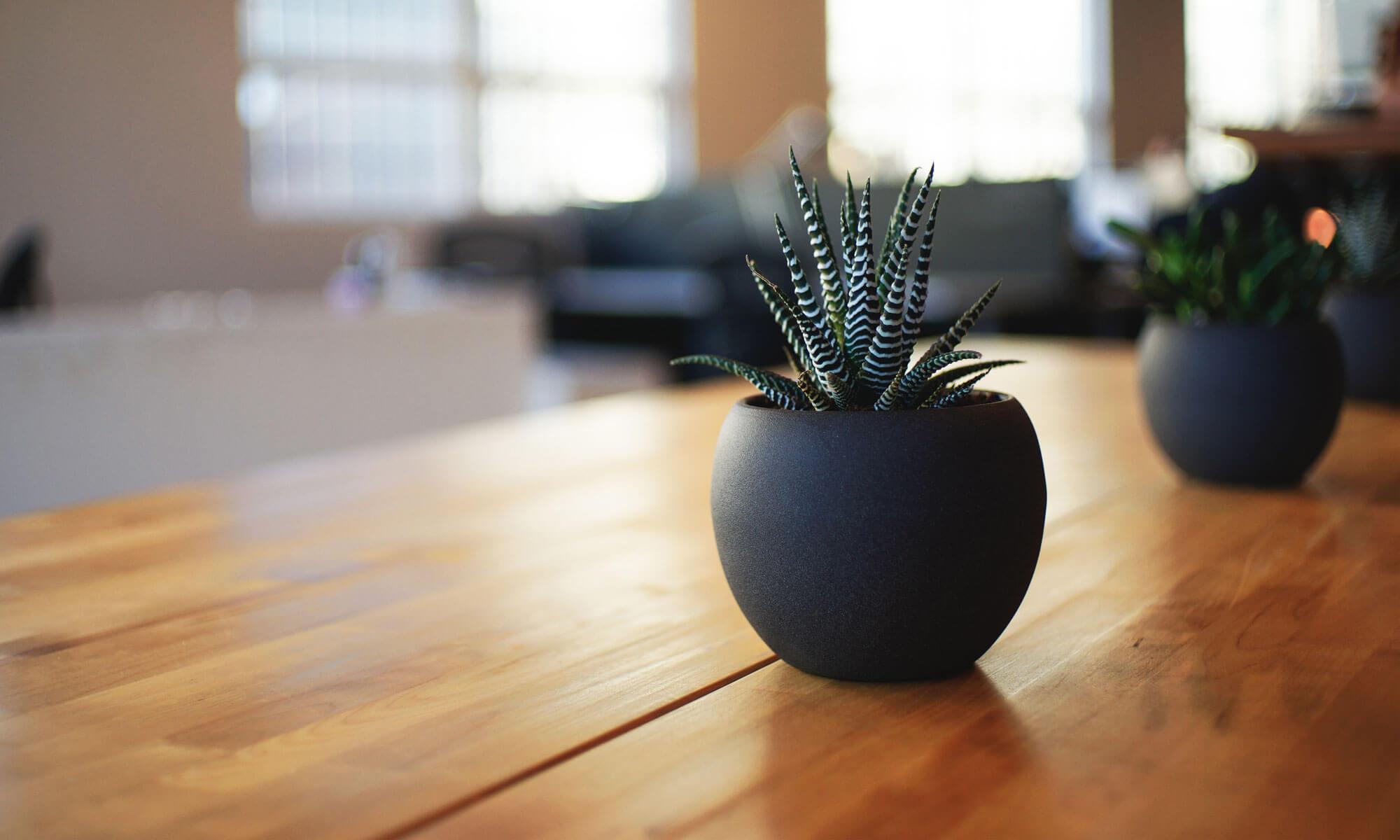
- Genuine artistry within https://spinking-uk.uk transforms residential and commercial spaces beautifully
- The Significance of Bespoke Interior Design
- The Role of Collaboration and Communication
- Commercial Interior Design: Enhancing Brand Identity
- Creating Engaging Customer Experiences
- Sustainable Interior Design Practices
- The Benefits of Using Eco-Friendly Materials
- The Future of Interior Design: Technology and Innovation
Genuine artistry within https://spinking-uk.uk transforms residential and commercial spaces beautifully
Creating beautiful and functional spaces is a desire shared by many, whether it’s a cozy home or a thriving commercial environment. The pursuit of this aesthetic and practical balance often leads individuals and businesses to seek out expert assistance. Spinking UK, accessible at https://spinking-uk.uk, represents a commitment to transforming spaces through genuine artistry and meticulous attention to detail. They offer a comprehensive suite of services tailored to meet diverse needs, encompassing both residential and commercial projects. Their expertise lies in understanding the unique requirements of each client and translating those needs into stunning, livable, and productive environments.
The value of a well-designed space extends far beyond mere aesthetics. A thoughtfully designed home can enhance quality of life, fostering a sense of comfort, relaxation, and inspiration. In a commercial setting, effective design can boost productivity, enhance brand image, and improve customer experience. This is where the expertise of established firms like Spinking UK becomes invaluable. They don’t just decorate; they create environments that work seamlessly with their occupants, supporting their lifestyles and goals. The firm's dedication centers on understanding spatial dynamics and executing projects with precision and flair.
The Significance of Bespoke Interior Design
Bespoke interior design is more than simply choosing furniture and paint colors; it’s a holistic process that involves understanding a client's lifestyle, preferences, and functional needs. A truly bespoke approach considers the architectural context of a space, the flow of natural light, and the interplay of textures and materials. It acknowledges that every client is unique and deserves a space that is tailored to their individual identity. This is particularly crucial for residential projects, where the aim is to create a home that feels authentic and reflects the homeowner’s personality. Furthermore, bespoke design allows for creative solutions to overcome spatial challenges, maximizing functionality and optimizing the use of available space. It's an investment that enhances the value of a property and provides lasting enjoyment. The ability to visualize and translate a client’s wishes into a tangible reality is a cornerstone of successful interior design.
The Role of Collaboration and Communication
Effective interior design hinges on strong collaboration and open communication between the designer and the client. This involves a detailed initial consultation to discuss the client's vision, budget, and timeline. The designer should actively listen to the client's needs and provide expert guidance, offering creative solutions and suggesting materials that align with their aesthetic preferences. Regular updates and progress reports are essential to ensure that the project stays on track and that the client is fully informed throughout the process. Transparency and responsiveness are key to building trust and fostering a positive working relationship. A skilled designer will not only present ideas but also explain the rationale behind them, empowering the client to make informed decisions. Finally, a collaborative spirit ensures that the final result genuinely reflects the client’s aspirations.
| Interior Design | Complete design solutions for residential and commercial spaces. |
| Space Planning | Optimal layout and furniture arrangement for functionality and aesthetics. |
| Project Management | Coordination and oversight of all aspects of the design project. |
| Material Selection | Sourcing high-quality materials and finishes. |
The careful selection of materials and finishes is central to creating a cohesive and impactful design. Factors such as durability, sustainability, and maintenance requirements should all be considered. A skilled interior designer can navigate the vast array of options available, helping clients choose materials that not only look beautiful but also stand the test of time. The integration of lighting is also critical, as it can dramatically alter the mood and ambiance of a space. Strategic placement of lighting fixtures can highlight architectural features, create focal points, and enhance the overall aesthetic appeal.
Commercial Interior Design: Enhancing Brand Identity
Commercial interior design goes beyond aesthetics; it’s a strategic tool for enhancing brand identity and creating a positive impression on customers and employees. The design of a commercial space should reflect the company's values, culture, and target audience. For example, a tech startup might opt for a modern, minimalist design with open workspaces to foster collaboration and innovation. Conversely, a law firm might prefer a more traditional and sophisticated aesthetic to convey professionalism and trustworthiness. The layout of the space should also be carefully considered to optimize workflow and maximize efficiency. Reception areas, meeting rooms, and break rooms should all be designed with specific functions in mind. The objective is to ensure that the space is not only visually appealing but also supports the operational needs of the business. A well-designed commercial space can significantly improve employee morale and attract top talent.
Creating Engaging Customer Experiences
In the retail sector, interior design plays a crucial role in creating engaging customer experiences. The goal is to draw customers into the space, encourage them to browse, and ultimately make a purchase. This can be achieved through strategic use of lighting, color, and displays. Creating a visually appealing and inviting atmosphere is paramount, but it's equally important to consider the customer's journey through the store. The layout should be intuitive and easy to navigate, with clear sightlines and designated areas for different product categories. Incorporating comfortable seating areas or interactive displays can also enhance the customer experience. Moreover, branding elements should be subtly integrated throughout the space, reinforcing the company's identity and creating a cohesive brand experience. Thoughtful design can transform a retail space from a mere transaction point into a destination that customers enjoy visiting.
- Brand Consistency: Maintaining a unified look and feel throughout the space.
- Space Optimization: Maximizing the use of available square footage.
- Accessibility: Ensuring the space is accessible to all customers and employees.
- Aesthetic Appeal: Creating a visually inviting and stimulating environment.
- Functionality: Designing spaces that support operational efficiency.
The importance of creating a welcoming and functional workspace cannot be overstated. When employees feel comfortable and engaged in their environment, their productivity and creativity naturally increase. Investing in ergonomic furniture, adequate lighting, and collaborative work areas can have a significant impact on employee well-being and job satisfaction. Moreover, incorporating elements of biophilic design, such as plants and natural materials, can help reduce stress and improve air quality. A well-designed workspace is not simply a place to work; it’s a hub for innovation, collaboration, and personal growth. It’s a space that fosters a positive company culture and attracts and retains top talent.
Sustainable Interior Design Practices
The growing awareness of environmental issues has led to an increasing demand for sustainable interior design practices. This involves selecting eco-friendly materials, minimizing waste, and reducing energy consumption. Sustainable design goes beyond simply using recycled materials; it also encompasses the entire lifecycle of a product, from its sourcing and manufacturing to its eventual disposal. Choosing local materials can reduce transportation costs and support local economies. Utilizing energy-efficient lighting and appliances can significantly lower utility bills and reduce carbon emissions. Incorporating natural light and ventilation can also improve indoor air quality and reduce the need for artificial lighting and air conditioning. Sustainable design is not only good for the environment; it can also be cost-effective in the long run. The implementation of smart home technologies can further optimize energy usage and enhance the sustainability of a space.
The Benefits of Using Eco-Friendly Materials
Eco-friendly materials offer numerous benefits, including reduced environmental impact, improved indoor air quality, and enhanced durability. These materials are often made from renewable resources, are non-toxic, and require less energy to produce. Examples of eco-friendly materials include bamboo flooring, recycled glass countertops, and low-VOC paints. Low-VOC (volatile organic compound) paints are particularly important for indoor air quality, as they release fewer harmful chemicals into the atmosphere. Choosing materials that are sustainably sourced ensures that forests are managed responsibly and that natural resources are conserved. Furthermore, some eco-friendly materials, such as cork flooring, offer excellent insulation properties, which can help reduce energy consumption. A commitment to using eco-friendly materials demonstrates a responsibility towards the environment and can also appeal to environmentally conscious consumers.
- Source materials responsibly.
- Prioritize energy efficiency.
- Minimize waste generation.
- Improve indoor air quality.
- Reduce water consumption.
The fiscal implications of investing in high-quality interior design are often underestimated. While the initial investment might appear substantial, the long-term benefits can far outweigh the costs. Durable materials and well-executed designs reduce the need for frequent repairs and replacements. Energy-efficient solutions lower utility bills, contributing to significant savings over time. In a commercial setting, a well-designed space can attract more customers, boost employee productivity, and enhance brand image, ultimately increasing revenue. Moreover, a beautifully designed space can increase the property’s value, making it a sound investment. It’s important to view interior design not as an expense but as a strategic investment that yields tangible returns.
The Future of Interior Design: Technology and Innovation
The field of interior design is constantly evolving, driven by technological advancements and changing societal trends. Virtual reality (VR) and augmented reality (AR) are increasingly being used to visualize design concepts and allow clients to experience spaces before they are built. 3D modeling software enables designers to create detailed renderings and simulations, providing a realistic preview of the finished product. Smart home technology is also transforming the way we interact with our living spaces, allowing for automated lighting, temperature control, and security systems. The integration of artificial intelligence (AI) is enabling designers to analyze data and optimize designs for functionality and efficiency. These technological innovations are empowering designers to create more personalized, sustainable, and functional spaces.
Looking ahead, the trend towards biophilic design is expected to continue, with a greater emphasis on incorporating natural elements into interior spaces. The demand for flexible and adaptable spaces will also likely increase, as remote work and hybrid work models become more prevalent. The focus will shift towards creating spaces that can easily accommodate changing needs and lifestyles. Sustainability will remain a key priority, with designers increasingly seeking out eco-friendly materials and energy-efficient solutions. Companies like Spinking UK are at the forefront of these trends, offering innovative design solutions that meet the evolving needs of their clients. The future of interior design is one of creativity, innovation, and a deep understanding of the human experience.