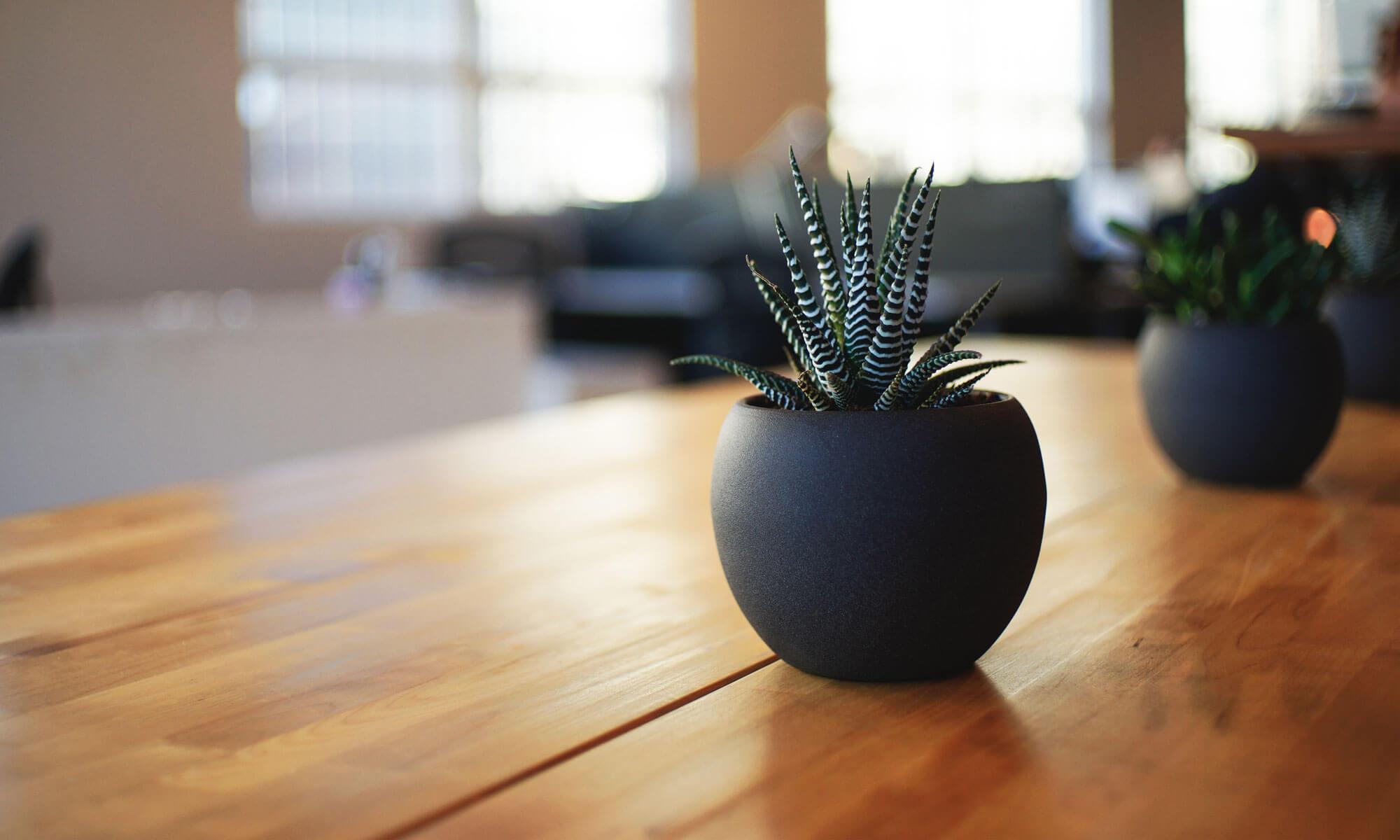
- Ceramic artistry and timeless elegance surround luckystar, creating unique collectibles
- The Historical Roots of Ceramic Artistry
- The Evolution of Glazing Techniques
- The Rise of Collectible Ceramic Art
- Identifying Quality in Ceramic Collectibles
- The Influence of Artistic Movements on Ceramic Design
- The Role of Studio Pottery in Contemporary Art
- Exploring the World of luckystar Creations
- Future Trends and the Continued Appeal of Ceramic Art
Ceramic artistry and timeless elegance surround luckystar, creating unique collectibles
The allure of handcrafted artistry continues to captivate collectors and enthusiasts worldwide, and at the heart of this fascination lies a growing appreciation for unique, expressive pieces. Among the diverse offerings within this realm, the name luckystar has begun to resonate with those seeking exceptional quality and design. These aren’t merely objects; they represent a commitment to skill, tradition, and the inherent beauty found in carefully sculpted forms.
The appeal extends beyond aesthetic pleasure, touching upon a desire for connection to the maker and a celebration of individuality. In a world increasingly dominated by mass production, these artisanal creations offer a refreshing contrast – a tangible reminder of human ingenuity and the value of slow, deliberate craftsmanship. The growing community surrounding this artistry fosters a shared passion for the intricate details and stories embedded within each piece, making the acquisition of one a truly personal experience.
The Historical Roots of Ceramic Artistry
Ceramic artistry boasts a lineage stretching back millennia, with evidence of pottery dating back to the earliest civilizations. From utilitarian vessels to ornate sculptures, ceramics have served a multitude of purposes throughout history, reflecting the cultural values and technological advancements of the societies that created them. The earliest forms were often hand-built from locally sourced clay, fired in simple kilns, and decorated with rudimentary designs. Over time, techniques evolved, leading to the development of the potter's wheel, improved kiln technologies, and increasingly sophisticated glazing methods.
The significance of ceramics is deeply intertwined with the development of agriculture and settled communities. The ability to store surplus food and water in durable ceramic containers was crucial for societal development. Furthermore, pottery often held ritual and symbolic importance, featuring in religious ceremonies and serving as grave goods. Ancient civilizations like those of Mesopotamia, Egypt, Greece, and China all left behind a rich legacy of ceramic art, each with its distinct style and characteristics, influencing techniques in generations to come.
The Evolution of Glazing Techniques
Glazing, the process of applying a vitreous coating to ceramic surfaces, represents a pivotal innovation in ceramic history. Early glazes were often accidental discoveries, resulting from the impurities present in the clay or the atmosphere within the kiln. However, as understanding grew, potters began to intentionally formulate glazes using a variety of materials, including silica, alumina, and metal oxides. These oxides impart color and texture, leading to the vast array of glaze effects we see today.
The development of different glazing traditions – celadon in China, lustreware in the Islamic world, and maiolica in Italy – showcases the creativity and ingenuity of ceramic artists throughout history. The interaction between the glaze and the clay body during firing is a complex process, and achieving desired results requires skill, knowledge, and a degree of experimentation. Mastering glazing techniques remains a central focus for ceramic artists, allowing them to transform humble materials into objects of lasting beauty.
| Celadon | Known for its subtle green hues and smooth texture |
| Majolica | Features bright, opaque colors and decorative designs |
| Raku | Involves rapid firing and cooling, creating unique crackle patterns |
The table above highlights just a few examples of the diverse range of glazing techniques available to ceramic artists, each offering a unique aesthetic and set of challenges.
The Rise of Collectible Ceramic Art
While ceramics have been valued for functional and artistic purposes for centuries, the emergence of a dedicated market for collectible ceramic art is a relatively recent phenomenon. This rise can be attributed to several factors, including a growing interest in handcrafted objects, a rediscovery of traditional techniques, and the influence of prominent ceramic artists who have elevated the medium to new heights. Collecting ceramic art allows individuals to support artisanal practices and acquire unique pieces with intrinsic artistic value.
The appeal of collectible ceramics also lies in their ability to tell stories – stories of the artist, the materials, and the cultural context in which they were created. Each piece is imbued with the maker’s skill, vision, and personality, making it a tangible connection to the creative process. The inherent uniqueness of hand-built ceramics, with their subtle imperfections and variations, adds to their desirability for collectors who appreciate authenticity and individuality. The market remains dynamic, with prices varying greatly depending on the artist’s reputation, the rarity of the piece, and its aesthetic appeal.
Identifying Quality in Ceramic Collectibles
Determining the quality of a ceramic collectible involves considering a number of factors. The skill of the artist is paramount, evidenced by the precision of the craftsmanship, the elegance of the form, and the sophistication of the surface decoration. The quality of the materials used – the clay body and the glazes – also plays a crucial role, impacting the durability, texture, and overall aesthetic of the piece. Provenance, or the history of ownership, can add value to a collectible, particularly if it can be traced back to a well-known collection or exhibition.
Collectors should also be mindful of potential flaws, such as cracks, chips, or repairs. While minor imperfections can be acceptable in handmade objects, significant damage can detract from the value and aesthetic appeal. Researching the artist and their work is essential, familiarizing oneself with their signature style and common techniques. Attending exhibitions, visiting galleries, and consulting with experts can provide valuable insights into the world of ceramic collecting.
- Examine the craftsmanship for precision and attention to detail.
- Assess the quality of the materials, including the clay and glazes.
- Research the artist's background and reputation.
- Consider the provenance of the piece, if available.
A careful evaluation based on these criteria will help collectors make informed decisions and build a collection that reflects their personal taste and appreciation for ceramic artistry. Understanding these points is essential to assess the lasting value of any piece.
The Influence of Artistic Movements on Ceramic Design
Throughout the 20th and 21st centuries, ceramic design has been profoundly influenced by various artistic movements, reflecting broader cultural shifts and aesthetic trends. From the Art Nouveau movement’s organic forms and flowing lines to the modernist emphasis on simplicity and functionality, ceramics have adapted and evolved in response to changing artistic sensibilities. The Abstract Expressionist movement, with its emphasis on gesture and emotion, inspired some ceramic artists to explore non-representational forms and expressive surface treatments.
The Postmodern movement, in particular, challenged traditional notions of beauty and design, embracing experimentation, irony, and a playful approach to form and decoration. Ceramic artists responded by creating boldly colored, irreverent pieces that defied categorization. Contemporary ceramic art continues to push boundaries, incorporating new technologies, materials, and concepts. Digital fabrication techniques, such as 3D printing, are being used to create complex and innovative ceramic forms, while collaborations with artists from other disciplines are fostering interdisciplinary creativity.
The Role of Studio Pottery in Contemporary Art
The studio pottery movement, which emerged in the mid-20th century, played a pivotal role in redefining ceramics as a fine art medium. Studio potters rejected the mass-production ethos of industrial ceramics, emphasizing individual expression, craftsmanship, and a direct connection to the clay. Pioneering figures like Bernard Leach and Shoji Hamada promoted a philosophy of functional pottery that embraced simplicity, honesty, and a respect for materials.
The studio pottery movement became a catalyst for a broader revival of interest in ceramics as an art form, inspiring generations of artists to explore the medium’s potential. Contemporary studio potters continue to build upon this legacy, pushing the boundaries of technique and aesthetic expression while remaining committed to the values of craftsmanship and artistic integrity. The movement has emphasized the value of direct interaction with the material, and a return to traditional techniques.
- Art Nouveau influenced organic forms.
- Modernism emphasized simplicity and function.
- Abstract Expressionism inspired non-representational work.
- Postmodernism embraced experimentation and irony.
These movements demonstrate the interconnectedness of ceramic art and broader artistic trends, shaping the evolution of the medium over time. This artistic lineage continues to inspire innovation and creativity in contemporary ceramic practice.
Exploring the World of luckystar Creations
The designs offered by luckystar demonstrate a compelling blend of traditional techniques and contemporary aesthetics. The brand consistently delivers unique pieces, often characterized by intricate detailing and a subtle palette, making them desirable among collectors who appreciate refined elegance. Each object is meticulously crafted, signifying a dedication to preserving artisanal ceramic traditions. The careful selection of materials ensures both beauty and longevity, with an emphasis on sustainability and ethical sourcing that resonates with modern values.
Beyond surface aesthetics, luckystar invests in innovative firing techniques and glaze applications, resulting in pieces with depth and complexity. Their collections often draw inspiration from nature, featuring motifs of flora, fauna, and geological formations, interpreted through a contemporary lens. The brand actively collaborates with skilled artisans, fostering a supportive environment that promotes creative expression and preserves cultural heritage. This dedication to quality and craftsmanship positions luckystar as a leading presence in the world of collectible ceramic art.
Future Trends and the Continued Appeal of Ceramic Art
The future of ceramic art appears bright, with a continued surge in interest from both collectors and artists. Emerging trends suggest a growing emphasis on sustainability, with artists exploring alternative materials and eco-friendly production methods. The integration of digital technologies, such as 3D printing and virtual reality, is likely to further expand the creative possibilities within the medium allowing for the creation of increasingly complex and intricate designs. A renewed appreciation for the handmade and the unique, fueled by a desire for authenticity and connection in a digital age, will continue to drive demand for ceramic art.
Furthermore, the growing recognition of ceramics as a legitimate form of fine art, coupled with increased representation in museums and galleries, will elevate the medium’s profile and attract a wider audience. The exploration of interdisciplinary collaborations, blending ceramics with other art forms such as sculpture, painting, and installation, will push creative boundaries and generate innovative artistic expressions. The enduring appeal of ceramic art lies in its ability to connect us to the past, celebrate the present, and inspire the imagination with its tactile beauty and enduring legacy. The exploration within the realm of material science promises even more innovation to come.